September 20, 2026
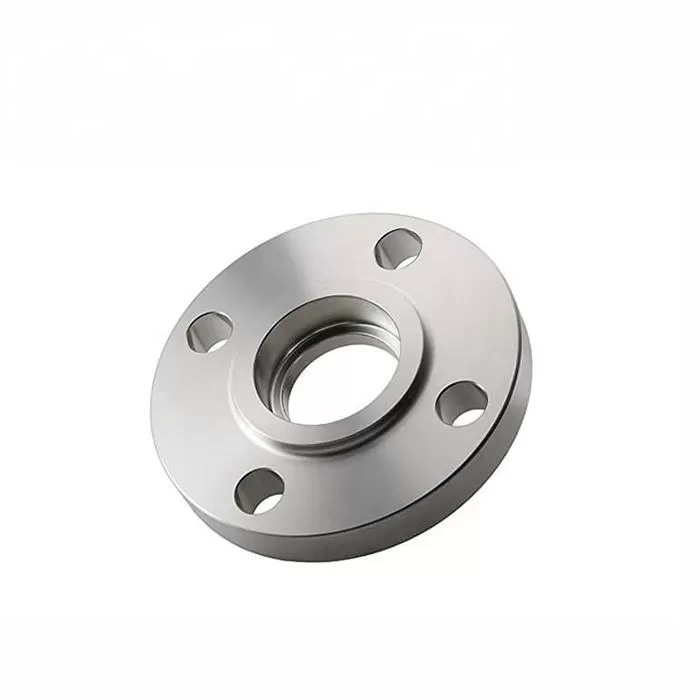
Socket weld flanges are designed for high pressure applications, constructed to provide a strong joint by inserting the pipe into the flange. This type of flange is widely used in industries where there is a need for reliable sealing under high pressure conditions.
Material: Carbon Steel, Stainless Steel, Alloy Steel
Pressure Rating: Up to 3000 PSI
Temperature Range: -20°F to 1000°F
Size Range: 1/2" to 24"
Weld neck flanges are characterized by a long tapered neck that gradually transitions to the flange body, which allows for a strong connection and minimizes stress concentration. These flanges are typically used for high pressure systems.
Material: Carbon Steel, Stainless Steel, Alloy Steel
Pressure Rating: Up to 2500 PSI
Temperature Range: -50°F to 1000°F
Size Range: 1/2" to 72"
Both flanges are designed for high-pressure applications; however, socket weld flanges can support slightly higher pressure ratings due to their robust design.
Socket Weld Flanges: Easier to install, with reduced requirements for welding prep.
Weld Neck Flanges: Require precise alignment and preparation for effective installation.
Weld neck flanges typically offer greater longevity compared to socket weld flanges due to their construction, which reduces stress at the weld joint.
• Cost-effective and easier to install.
• Suitable for small pipe sizes.
• Limited to small size applications.
• Prone to cracking under extreme stress.
• Excellent strength in high-pressure applications.
• Better for larger pipe sizes.
• Higher installation complexity.
• Often more expensive than socket weld flanges.
Socket weld flanges are recommended for small piping systems where ease of installation and cost savings are priorities.
Weld neck flanges should be chosen for larger piping systems or highly dynamic pressure applications due to their superior strength and durability.
In conclusion, when selecting a flange for high pressure, both socket weld flanges and weld neck flanges have their unique advantages and drawbacks. Understanding these differences is crucial for making an informed decision. For further guidance and high-quality options, consider exploring our products at MIDAS, your reliable source for pipeline solutions. Visit us at here.